Blog

  • Early Signs of Multiple Sclerosis I Ignored for Years

    It Started Earlier Than I Realized

    For most of my life, like as far back into my childhood as I can remember, my body has done weird stuff.

    I remember getting ready for a formal event as a teenager and telling my mom how tired I was. I went to lay my head down on the bathroom counter, but I passed out and hit my head instead.

    Another time, I was walking down the stairs. The same stairs I had walked down multiple times a day for my entire childhood. And I tripped and went head over heels all the way to the bottom. My poor mom heard the whole thing and ran to help me. I ended up kicking her in the face and breaking her glasses.

    There was also a time when my feet went completely numb. That numbness slowly crawled up my legs and lasted for about three weeks before it finally went away.

    What’s crazy is no one seemed worried enough about these things to run more tests.

    The Things I Learned to Ignore

    To be fair, I had been sick my whole life.

    I was hospitalized multiple times as a baby because of asthma. Being sick was just part of who I was.

    So when weird things happened, they didn’t feel like red flags. They just felt like… me.

    As I got older, it didn’t stop.

    The leg numbness came back more than once. I was always exhausted. Not just tired, but the kind of fatigue that takes over your whole body. I would come home from work, fall asleep, wake up just long enough to eat dinner, and then go right back to bed.

    Looking back, I honestly don’t know how I managed to do everything I did during that time.

    Because the truth is, I wasn’t thriving. I was barely keeping up.

    When It Got Hard to Explain Away

    At one point, I was fired from a job because I had to miss so much work for doctor’s appointments.

    The problem was, I didn’t have answers. No diagnosis, nothing concrete. And the people at that job didn’t have much empathy for someone who couldn’t push through long days nonstop.

    I was sleeping my life away, and every time I tried to get help, I heard the same things.

    Stress. Hormones. Anxiety.

    You know, the usual things women get told when they’re trying to figure out what’s wrong with their own body.

    After a while, you start to believe it.

    The Symptom That Changed Everything

    It wasn’t until the middle of the pandemic that something finally felt different.

    I woke up one day with double vision.

    And the crazy part is, I didn’t even take it seriously at first.

    After being brushed off so many times, I had learned to brush myself off too. I assumed it would go away like everything else always had.

    It wasn’t until I made a post on social media asking if anyone else had experienced double vision that I paused and thought, maybe something isn’t right.

    Even then, I didn’t go straight to the emergency room. I went to an eye doctor first. They took one look at me and told me I needed to go to the ER.

    This was May of 2020. Hospitals were overwhelmed and understaffed. I waited for twelve hours and was never even seen.

    Meanwhile, things were getting worse.

    My double vision wouldn’t go away. The right side of my face started going numb and felt almost paralyzed. I had burning sensations all over my head.

    And somehow, I was still going to work.

    I had to wear an eye patch just to drive, because my vision was fine out of each eye, but my eyes wouldn’t work together.

    Finally Being Heard

    Luckily, I have a primary care doctor who actually listens to me.

    She saw me as soon as she could and ordered MRIs.

    Those MRIs showed demyelination consistent with Multiple Sclerosis.

    Just like that, there was finally an answer.

    What I Wish I Knew Sooner

    It’s strange to look back now and realize how long my body had been trying to tell me something was wrong.

    The signs were there.

    I just didn’t know how to connect them. And honestly, I didn’t think anyone else would either.

    When you’re dismissed enough times, you start to question yourself. You start to minimize things. You convince yourself it’s not that serious.

    So you keep going.

    You keep pushing.

    You keep ignoring what your body is trying to say.

    It wasn’t just that no one else took it seriously.

    Eventually, I didn’t either.

    And that’s the part I’m still learning to forgive.

    If This Sounds Familiar

    If you’ve ever felt like something was off in your body but couldn’t get anyone to really listen, you’re not alone.

    I mean that.

    I’d genuinely love to hear your experience.


    XO,
    Samantha Jo

  • Orlando Packing Guide: Cute, Comfortable, and Chronic Illness-Friendly

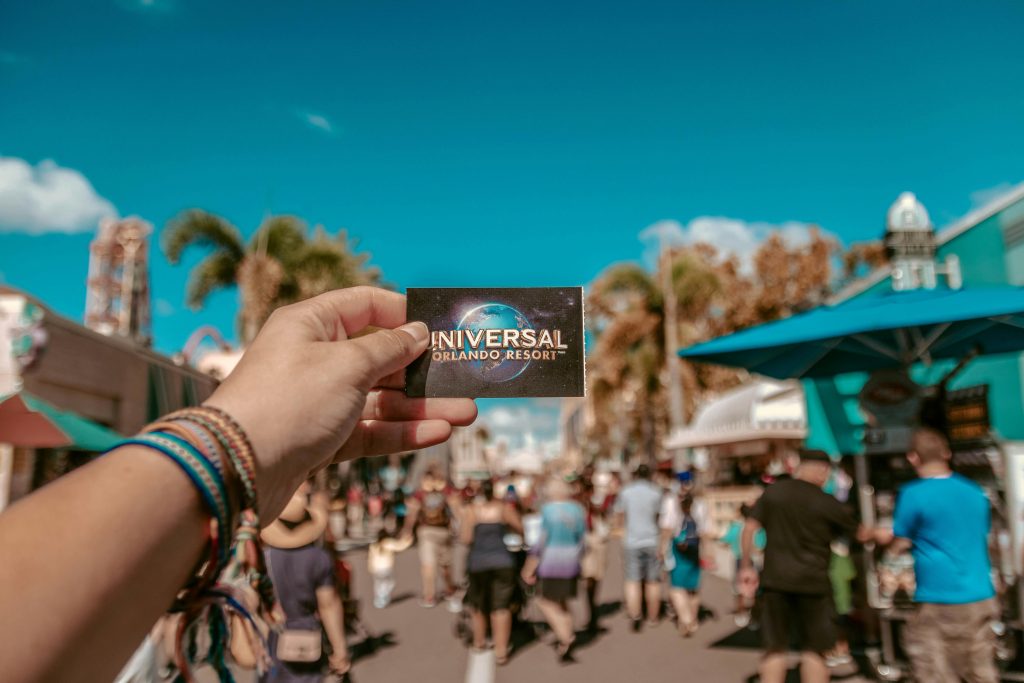
    I leave for Orlando tomorrow, and packing looks a lot different than it used to.

    It’s not just about adorable, theme-park friendly outfits anymore.

    It’s about endurance.

    It’s about comfort.

    It’s about making sure I can actually enjoy the trip once I get there.

    Because when you’re living with a chronic illness, you don’t just pack for the destination—you pack for every version of yourself that might show up.

    The energized one.
    The exhausted one.
    The “we need to sit down immediately” one.

    So this is everything I’m bringing to Orlando to feel cute, comfortable, and most importantly, like myself.

    Instead of linking every single item here and making this overwhelming, I’ve put all my exact picks in one place:


    The Reality of Orlando Weather

    If you’ve never been—just assume:

    • Hot
    • Humid
    • Slightly disrespectful

    Which means your outfits need to work with your body, not against it.

    With autoimmune and chronic illnesses like MS, the Florida sun and heat are brutal.

    There’s also that miniscule chance that there will a random rainstorm at least once, especially if you’re going in the summer time.


    Outfits That Can Actually Survive the Day

    I build my outfits around one question:

    “Can I wear this for 10+ hours and not hate my life?”

    What I’m packing:

    • Lightweight, compression biker shorts
    • Oversized graphic tanks
    • Athletic rompers (my favorite for a theme-park day).
    • Flowy athletic shorts and skorts
    • Breathable tank tops
    • A light jacket (during the spring, Orlando can get chilly once the sunsets)

    The goal isn’t just looking good—it’s avoiding overheating, irritation, and fatigue triggers.

    Shoes That Won’t Betray Me

    This is not the trip for “cute but uncomfortable.”

    I’m bringing:

    • My most broken-in walking shoes
    • Cushioned sneakers with real support
    • Backup sandals (that I’ve already tested)

    If I can’t walk miles in them at home, they’re not coming.

    For me, the most broken-in walking shoes and cushioned sneakers are the same. I have purchased just about every color of the Skecher’s Uno Night Shades.

    They are the most comfortable sneakers I’ve ever worn, not just to the theme parks but for any trip where I’ll be walking and standing a lot.

    I have worn these shoes on rope drop to park close days, through Orlando Informer meet-up after hours events, and long nights at Halloween Horror Nights.

    You truly will not catch me in an Orlando Theme Park in any other sneaker.

    I also wear Olukai flip flops for short walks to the pool, down to the hotel lobby, etc. They are extremely supportive, wide foot friendly, and comfortable enough to slip on after being in tennis shoes all day.


    Chronic Illness Essentials (Non-Negotiables)

    This is where packing becomes less aesthetic and more strategic.

    My must-haves:

    • Medications (Besides the required daily meds, I pack plenty of advil, and meclizine.)
    • Liquid IV – Electrolytes are essential for hydration for chronic illness girlies anyway. I cannot express to you how much these save me in that Orlando heat.
    • Snacks that won’t spike and crash my energy. – I love a protein bar, especially when I know I’ll be overloaded by the carbs of Butterbeer, Florean Fortescue’s Ice Cream, and Central Park Crepes.
    • A portable fan – Too much heat is terrible for MS, and any chronic illness. I love a wear neck fan that I can charge at night.
    • Compression socks (for travel days).

    These are the things that make the difference between surviving a trip and actually enjoying it.


    My Park/Day Bag Setup

    What I carry with me every day:

    • Refillable water bottle – Ice and water are free throughout the parks. Instead of wasting money on sodas and sugary drinks (I mean except for butterbeer) I choose to stay hydrated with water and electrolytes. For me, this is more about survival and keeping myself feeling good as long as possible.
    • Portable charger- enough said.
    • Sunglasses – I always pack a couple of cheap pairs of sunglasses that I don’t mind if they get lost on ride or broken.
    • Cooling towel or portable fan.
    • Small snack stash – I keep a few protein bars on me, but I am guilty of indulging in theme park snacks way too often.
    • Travel-size sunscreen

    And most importantly:
    Room to adjust.

    Because I’ve learned the hard way—if I don’t prepare for my body to change throughout the day, it will force me to stop…and I do not like to slow down during park days if I can keep from it.

    Low-Effort Beauty

    Orlando heat will humble you quickly. The humidity is no joke and I find myself instantly glistening with sweat as soon as I walk outside .

    So instead of fighting it, I pack:

    • Tinted moisturizer or skin tint. I don’t use tinted SPF because I have rosacea and haven’t found one that doesn’t flare my skin.
    • Waterproof mascara. Now, if you’ve read any of my other posts you probably know that I am a lash extension girlie for many reasons, but they are super helpful especially during Orlando trips.
    • Lip balm or gloss with SPF
    • Hair ties/claw clips- I love a claw clip. Easy to throw my hair up and keep it off my neck, but also easy to throw in my bag when I’m tired of it.

    The goal: feeling put together without needing a ton of maintenance.


    Everything I’m Packing

    Instead of linking every single item here and making this overwhelming, I’ve put all my exact picks (from outfits to travel essentials) in one place:

    You can shop everything through my Linktree here:

    (Everything is organized and easy to find—including my go-to travel favorites from Amazon.)


    ✨ Final Thoughts

    Packing used to be about who I wanted to be on a trip.

    Now it’s about supporting who I already am.

    And honestly, that version of me travels better.

    XO,

    Samantha Jo


    This post may contain affiliate links, which means I may earn a small commission if you purchase through my links at no extra cost to you.

  • Why Slowing Down Changed How I Experience Time with Chronic Illness

    Time.

    Losing time has always been my biggest fear.

    When you live with chronic illness, time doesn’t feel abstract. It feels fragile. Limited. Unpredictable.
    Because there’s always that quiet question in the back of your mind:

    What if tomorrow I don’t have the stamina… or worse, the physical or mental ability… to do the thing I want so badly to do today?

    That fear used to control me.

    I was the definition of living for the moment—but not in the romantic, carefree way people imagine.
    It was urgency.
    It was pressure.
    It was reckless abandon fueled by the fear of losing time.

    So I rushed.

    I filled my life to the brim. I said yes to everything. I moved fast, constantly chasing experiences, trying to squeeze every drop out of the present before it disappeared.

    And the truth?

    I was doing so much… but rarely fully experiencing any of it.


    Slowing Down Didn’t Steal My Life—It Gave It Back

    Somewhere along the way, things shifted.

    My trips got slower.
    My days got quieter.
    My expectations softened.

    And somehow, my life became fuller.

    I still travel. I still chase fun and adventure. But now, I leave space—space to breathe, to notice, to actually feel what’s happening while it’s happening.

    For the first time, I’m not rushing through moments in the name of creating memories.

    I’m actually living them.


    The Lie of Urgency

    I used to think urgency meant intention.

    If my schedule was packed, if I was constantly moving, constantly doing—then I must be living life to the fullest… right?

    But urgency doesn’t create presence.
    It creates reactivity.

    It pushes you into rushed decisions, scattered thoughts, and moments that blur together.

    It even shows up in the way we love.
    Urgency will keep you in the wrong relationships—clinging to what isn’t right because you’re scared of starting over… and angry at the time you can’t get back.

    Slowing down taught me something I didn’t expect:

    You don’t build a meaningful life in the big, rushed moments.
    You build it in the quiet ones you almost overlook.


    What Actually Makes a Life Feel Full

    It’s not the packed itinerary.
    It’s not the constant motion.
    It’s not racing from one thing to the next because you’re afraid of running out of time.

    It’s this:

    A cup of iced coffee on a water taxi, the breeze catching your hair as you move between places you don’t feel rushed to get to.

    Laughing with your roommate until you’re crying, with no reason other than the moment itself.

    The “Joke of the Day” TikToks your seven-year-old goddaughter insists on making with you every single night.

    Messing around with your lifting buddies between sets, laughing more than you’re lifting.

    Stopping by your mom’s house for “just a minute” that turns into a hug you didn’t realize you needed.

    A random text from your dad that makes you laugh out loud.


    This Is What Time Is Made Of

    Those are the moments that make up a life.

    Not the rushed ones.
    Not the ones driven by fear.

    The slow ones.
    The intentional ones.
    The ones where you’re fully there.

    Because the truth is—time was never something we could control.

    Not before chronic illness.
    Not after.

    But what we can control is how we move through it.

    And that includes the places we choose to stay.

    The conversations we keep having.
    The relationships we keep holding onto.
    The lives we convince ourselves we don’t have time to rebuild.

    Because I’m finally learning this too:

    You don’t get more time by clinging to what isn’t right.
    You just lose more of it.

    And I’m done living like time is something I have to chase or fight to keep.

    I want to be present in it.
    Intentional with it.
    Honest about where I’m spending it.

    Because you don’t honor time by racing against it.

    You honor it by choosing—again and again—to fully live inside of it.


    XO,

    Samantha Jo

  • What People Don’t Understand About Strong Women

    People love to call women like me strong.

    And when I say women like me, I mean:

    Women with chronic illness.
    Women who take care of everything around them without blinking.
    Women with so much relationship trauma it could play out on a movie screen.

    “Strong” is meant to be praise.
    And I’ve always taken it that way.

    Until I learned the cost of always being strong.


    What People See

    When people look at me, they see a physically and mentally strong woman. A woman capable of lifting weights and pushing through anything life throws her way.

    People love to throw around words like resilient and strong like they’re badges of honor. And they are… to some extent.

    They see me showing up.
    Holding everything together.

    They assume that anytime life throws something new my way, I’ll handle it with grace and dignity.

    The problem is that people hate seeing strong people break.


    What People Don’t See

    Strong women break.
    It’s just usually not public.

    I can post the photos from the hospital room.
    I can post the Instagram-worthy captions explaining my health struggles.

    But even those show a woman who made it out the other side with her smile and sass still intact.

    What they don’t show is the woman who spent those nights ugly crying into her pillow.

    A woman who fought with God.
    Who begged for answers.

    They don’t show the doubt.
    The exhaustion.
    The breaking points.

    The moments where giving up felt like the only option while knowing it wasn’t actually a choice.

    And those are the exact moments where strength lives.

    In the messy, unfiltered, unsexy space between breaking down and almost giving up.


    The Cost of Being Strong

    Being the strong one is about more than physical strength.

    Physical strength is easy compared to the weight of always being strong for everyone else.

    It means people—friends, family, coworkers—expect more from you.

    It means being the person everyone runs to for guidance, for support, for a place to pour their hearts out.

    It means putting on a front that says, I’ll be okay. I’ll get through this.

    Even when it feels like your body is breaking apart and your mind is right behind it.

    It means that even when people know you’re struggling,
    you’ve learned not to let them see too much of it.

    Very few people in my life have seen the breaksdown in that space between strength and wanting to quit.

    Sometimes being strong means I don’t even give myself permission to fall apart.


    The Part I Don’t Talk About

    There was a time in my life after my divorce, and during the two most toxic relationships that followed, when I wanted to run away.

    And truthfully, I did.

    I ran from the voice in my head that told me I wasn’t enough.

    I let myself slip.

    But people needed me.

    They expected more from me.

    For a month straight, I drank a bottle of wine every single night.

    I told myself it was how I relaxed, how I recovered.

    But really, I was running from the truth:
    that my relationship was slowly destroying me.

    But even when I tried to give up,
    I couldn’t.


    The Shift

    Somewhere between the bottles of wine and the late-night crying sessions, something in me shifted.

    I told my friends the truth about what I was doing, and that I couldn’t keep going like that.

    I gave up drinking.

    I started doing yoga.

    I started meditating.

    Even though everything in me wanted to run away, I didn’t.

    In that in-between moment where the choas meets the
    breaking point…I chose a different path.


    What I Know Now

    There was a time when I resented being the strong one.

    Always having to choose to never quit.
    Always having to fight.

    I didn’t understand why it couldn’t just be easy—
    why I couldn’t just be better without having to constantly having to fight to be.

    But now I understand:

    That is what being strong means.

    It’s not about everything going right.
    It’s not about never struggling.

    It’s about making that decision over and over again.
    The decision to not to give up.

    To put the bottle down.
    To choose your mental health.
    To choose yourself.

    Strength isn’t built in the moments of praise.

    It’s built in the moments when everything is falling apart.
    The moments you choose to keep going anyway.


    It’s in those moments that I learned

    Just because I carry it well
    doesn’t mean it isn’t heavy.

    XO,
    Samantha Jo

  • This isn’t the Birthday I Thought I’d Have

    It’s the end of March.

    For most of my adult life, March has been the best month—start to finish.

    It’s the beginning of spring. The weather starts to shift, and everything feels like it’s waking up again. It’s always felt like a season for new beginnings—both in nature and in life.

    Some of the biggest moments of my life have happened in March.
    I got married in March. I got divorced in March. I started my current career in March.

    For better or worse, this month has always marked a turning point.

    But this year feels different.

    It’s hitting harder than I expected. I’m still excited. But that usual rush, that euphoria I normally feel this time of year, hasn’t shown up…yet.


    What’s Different This Year

    I’ve been dealing with health issues since early November.

    What started as an allergic reaction to hair dye turned into hospital visits, doctor’s appointments, MRIs, testing… and still no definitive answers.

    My body feels unpredictable. Unstable.
    And for someone who is used to pushing through, staying active, and being in control—it’s been a hard adjustment.

    I’m frustrated. But more than that, I’m scared.

    When you already have an autoimmune disorder like multiple sclerosis, it’s not uncommon to develop another. That possibility has been sitting in the back of my mind, getting louder on the hard days.

    I’m still young. I still feel like there’s so much life and adventure ahead of me.

    And I don’t want that to be muted by more health issues.


    The Internal Conflict

    My birthday has always been one of my favorite days of the year.

    Usually, it starts with brunch and mimosas with the girls, followed by bingo at a local dive bar with the whole friend group. Cheap beer, laughter, everyone together.

    It’s simple, but it’s mine.

    This year, I’m not sure what that looks like.

    I can’t drink right now. I’ve been dealing with frequent vestibular migraines, even with medication. And there’s this constant fear sitting in the background that I’ll have an episode and somehow ruin the day.

    Not just for myself, but for everyone else too.

    I don’t want to be the reason the energy shifts.
    I don’t want to be the “Debbie Downer” on my own birthday.

    And then there’s the comparison.

    In past years, I’ve booked spontaneous solo trips to Universal Studios or planned out-of-town girls’ weekends without a second thought. I was always moving, always doing something.

    Now, I feel this pressure to be that version of myself again.
    And the truth is—I don’t know if I can be her this year.

    It’s a strange feeling, not knowing how to celebrate a version of yourself that you don’t fully understand yet.


    Small Truths

    Over the past few months, I’ve canceled more plans than I can count. Missed workouts. Backed out last minute.

    My energy is lower than it’s ever been.
    And I’ve had to start making choices that don’t feel natural to me.

    Saying no.

    Slowing down.

    Putting myself first.

    I used to be the fun one. The reliable one. The one who always showed up.

    This version of me is different.

    And if I’m being honest, there’s a part of me that is grieving the person I was just a few months ago.


    A Shift in Perspective

    But there’s also this:

    I’ve learned—maybe more than ever—how to be grateful.

    I have an incredible group of friends who love me and show up for me, no matter what version of me walks into the room.

    I have family who just wants to spend time with me.

    I have people in my life who don’t need me to be “on” all the time to still see my value.

    And that means everything.

    At the end of the day, I’m still here.
    I’m still breathing. Still growing. Still becoming someone.

    Even if it looks different than I thought it would.


    Maybe this birthday won’t be about going all out.
    Maybe it won’t look like the years before.

    But it’s still mine.

    And maybe, this year, that’s enough.


    XO,
    Samantha Jo

  • How I Still Show Up for My Life (Even on Bad Days)

    Not every day is a good day.

    But I still have a life to live—and a pretty full, abundant one at that.

    I refuse to waste time if I can help it. So this is how I show up for my life, even on the bad days.


    Lowering the Bar (On Purpose)

    I intentionally schedule at least one bare-minimum day into my week.

    Sometimes that means rearranging my gym schedule. Sometimes it means saying no to weekend plans.

    FOMO is real—and my social group is, well… extremely social.

    But I had to set a boundary with myself.

    If I want to keep showing up for my life—and for the people in it—then sometimes that means not showing up and missing out.

    That doesn’t mean I say no to everything. But I don’t jam-pack my weeks and weekends anymore.

    I remind myself that my gas tank is smaller than everyone else’s.

    And that means I have to refuel more often.

    I’ve also had to completely redefine what productivity means to me.

    A typically healthy person might be able to shower, do dishes, do laundry, work for a few hours, vacuum, and then go out to dinner.

    That’s just not my reality anymore.

    And if I do manage to do all of that?

    I’m probably going to be in bed the entire next day, completely wiped out.

    So now, productivity might look like this:

    • I got the essential laundry done—but the rest can wait
    • The trash got taken out—but vacuuming isn’t happening today

    And I’ve had to be okay with the fact that my version of productivity doesn’t look like everyone else’s.


    My Non-Negotiables

    There are days where I wake up and my energy is already gone.

    Completely spent and I haven’t even gotten out of bed yet.

    But I do have non-negotiables:

    Going to work
    Drinking water
    Eating something
    Basic hygiene

    On bad days, that might not look perfect.

    I might not eat a full meal—but I’ll drink electrolytes and get some protein in.

    I might not take an “everything shower”—but I’ll handle the basics.

    And some days, the basics are all I can do.

    My life is not Pinterest-perfect.

    This is what it actually looks like.


    Energy Strategy

    I’ve built my life around conserving energy wherever I can.

    Some of these things might seem small—but saving even ten minutes of effort or frustration can mean having energy for something that actually matters later.

    I get my eyelashes done so I don’t have to spend time and energy on mascara every morning. It’s a small thing, but it helps me feel put together with less effort.

    The peace of not having to deal with waiting for it to dry, or the frustration of it smearing everywhere while I’m already tired and running late is priceless to me.

    I do grocery pickup at a store near my gym so I can knock both things out without draining myself walking around a store.

    And sometimes? I’ll drop off laundry for wash-and-fold.

    I don’t do that all the time—but when I know I need that energy for something else, I’m not above paying for convenience.

    Simplifying my life like this allows me to spend my energy on things that actually make my life fuller and happier.

    I know not everyone has access to these options—but for me, it’s about prioritizing anything that makes life easier, not harder.


    Letting Go of Perfection

    Showing up for my life also means letting go of perfection.

    Not every workout is going to be great.
    Not every day is going to be productive.
    My house isn’t always going to be clean.
    My laundry isn’t always going to be folded.

    And that has to be okay.

    My life is not going to look like everyone else’s.

    And I have to keep reminding myself of that.

    And honestly?

    That’s okay too.


    Small Wins

    I’ve learned to celebrate the small wins.

    Showing up to the gym when I really don’t feel like it—and leaving feeling even just a little bit better.

    Getting out of bed and going to work with a smile on my face, even when it’s the last thing I feel like doing.

    Choosing myself—even when the people-pleaser in me wants to say yes to everyone else.

    Those things matter.

    Those are wins.

    And some days, I have to remind myself:

    Showing up is the win.


    This is my life.

    And not every day is Instagram-worthy.

    It might not look impressive—but it’s real.

    And it counts.


    XO,
    Samantha Jo

  • The Things I Had to Grieve After My MS Diagnosis

    Getting diagnosed with MS didn’t just change my health.
    It changed my expectations for my life.

    The shift was gradual and sudden all at the same time.

    Overnight, I had to start moving differently—medications, doctor’s visits, monitoring everything. But I didn’t immediately change who I was.

    I still had an active social life.
    I still competed in powerlifting.
    I still showed up the same way.

    At least, at first.


    The Version of Me I Thought I’d Be

    When I was first diagnosed, I had only been powerlifting for about three years—but I was obsessed. It had become a huge part of my identity.

    I pushed through workouts without consequences.
    I had what felt like unlimited energy.

    Three max-effort squats, bench, and deadlifts in a single meet? No problem.

    I was in my peak powerlifting era—and I was killing it.

    And then came the medications.

    The side effects lists.
    The appointments.
    The reality check.

    I didn’t lose that version of myself all at once.

    I lost her slowly.
    Little by little.

    She still shows up sometimes—on really good days. But even then, it comes with a cost.

    And there’s always that quiet thought in the background:

    Who would I be if MS hadn’t found me during this chapter of my life?

    In the words of Toby Keith:
    “I’m not as good as I once was, but I’m as good once as I ever was.”


    My Body Changing

    My body didn’t change overnight—but it changed in ways I couldn’t ignore.

    The first medication I was prescribed took a serious toll on my immune system. And at the time, my doctors weren’t monitoring it the way they should have been.

    When I switched neurologists, she told me my immune cell count was lower than an HIV patient’s.

    And this was during the height of COVID.

    She immediately took me off that medication. What followed was weekly lab work, waiting and hoping my immune system would recover.

    Then came infusions.

    At first, they were rough. I had allergic reactions and had to be pumped full of steroids and antihistamines—which came with their own set of side effects.

    Everything felt unfamiliar.

    I felt like I was living in someone else’s body.

    Not the one that could back squat 500 pounds.

    And somewhere in all of that, I stopped trusting my body the way I used to.

    What’s wild is that even before my diagnosis, I had symptoms. Weird things would happen—but I brushed them off. I pushed through.

    Part of that came from years of medical gaslighting. Not being believed.

    Eventually, I started gaslighting myself.

    Telling myself I was fine—until I wasn’t.

    I’m still strong. I still lift.

    But it doesn’t look the same. It doesn’t feel the same.

    And that’s something I’ve had to come to terms with.


    Spontaneity

    One of the biggest things I’ve had to grieve is my spontaneity.

    I love adventure.

    That version of me would book a random Friday night flight to Orlando for the weekend—or meet up with a friend for dinner and drinks without a second thought.

    My soul still craves that.

    But my body requires planning.

    I try to be spontaneous when I can—but even that requires preparation. I have to make sure I have the energy reserve to follow through.

    And there are some things I just don’t do anymore.

    I don’t drive long distances by myself.

    I deal with bouts of dizziness and vestibular migraines, and it’s not worth the risk. The anxiety alone—wondering if something might hit while I’m driving—is enough.

    So I’ve had to grieve the version of me who would hop in the car and drive two hours for a random weekend trip.

    That version of me doesn’t exist anymore.


    Time & Energy

    Grieving time has been one of the hardest parts.

    I get frustrated when I can’t spend my time the way I want to—especially because I have fewer “good” days than I used to.

    When I feel good, I want to live. I want to enjoy it.

    I don’t want to spend that time at doctor’s appointments or fulfilling obligations that drain me.

    Because of that, I’ve had to set hard boundaries.

    With family.
    With friends.
    With expectations.

    I can’t always do last-minute plans. I’ve had to learn how to say no—even to people I love.

    And honestly? Saying no has saved me from a lot of resentment.

    It’s easier to set clear boundaries than to silently feel like my time and energy are being taken from me.

    I already lose enough of both to fatigue and recovery.

    I’m not willing to lose more to things—or people—that don’t respect it.


    The Identity Shift

    More than anything, I’ve had to shift my identity.

    From:
    “I can push through anything.”

    To:
    “I’m strong—but I have limits.”

    And that’s not an easy shift to make.

    If you’ve ever tried to quit something like smoking or vaping, you know it’s not just about stopping the habit. It’s about changing how you see yourself.

    From “I’m a smoker” to “I’m not a smoker.”

    Until that identity shifts, the habit usually wins.

    Chronic illness forces that kind of identity shift—but without your permission.

    And it comes with grief.

    Because I didn’t just lose energy.
    I didn’t just lose spontaneity.
    I didn’t just lose endurance.

    I lost the illusion that I was invincible.

    I had what felt like an existential midlife crisis in my thirties.

    And I’m just now starting to come out on the other side of it.


    Grief doesn’t always look like sadness.

    Sometimes, it looks like adjustment.

    And learning how to move through life as someone new.


    XO,
    Samantha Jo

  • What People Don’t See About Living with MS

    Fatigue. The unending anxiety.

    Living a normal life is all I’ve ever wanted.

    But the truth is, chronic illness and MS is always there to remind me that I am anything but normal.


    The Invisible Symptoms

    Let’s talk about fatigue.

    One of the most frustrating things I hear is:
    “Wow, I’m tired all the time too. I wonder if I have MS.”

    Fatigue is more than just being tired. It’s bone-deep exhaustion that isn’t cured with a nap or a good night’s sleep. I can’t throw back an energy drink or slam pre-workout and suddenly feel fine.

    It feels like moving through mud—like quicksand. And when I wake up in the morning, I know I’ve slept… but it feels like I haven’t slept in months.

    And with chronic fatigue comes chronic brain fog.

    I forget words. I lose my train of thought mid-sentence. Sometimes I forget what I’m doing entirely.

    One time, I was house and dog sitting for my parents—something I’ve done a dozen times. I know their alarm system. I know the routine.

    But one morning, the dogs wanted out, and I walked straight to the back door and opened it without disarming the alarm.

    Instant chaos.

    The alarm started blaring. The dogs were howling. I was frantically trying to disarm it, but my brain just… wasn’t working. Then I heard sirens in the distance, and I was already running late for work.

    It took multiple phone calls and a few very disgruntled conversations to get everything sorted out.

    All because my brain was foggy.

    Now add sensory issues into that mix, and it becomes overwhelming fast.

    That alarm didn’t just sound loud—it sounded like nuclear sirens. The dogs barking on top of it made everything feel distorted, like I was stuck in a tunnel. My head was spinning, pounding. I was running in and out of the house, which triggered my temperature intolerance.

    It was chaos.

    And the wild part?

    I handled it. Maybe a little grumpily—but on the outside, I looked like a normal person dealing with a chaotic situation.

    But just because I look fine doesn’t mean my body is cooperating.

    What you see as “handling it” is my body internally screaming for relief.


    The Mental Load

    Constant Awareness

    Another part of chronic illness is the mental burden.

    I am constantly aware of everything happening in my body.

    Every pain. Every random sensation. Every “off” feeling.

    What a healthy person might brush off as a simple headache can send me into a spiral. Even when I try to logic my way through it, there’s always that underlying fear:

    Is this something more? Is this a relapse?

    It makes it hard to trust my own intuition.


    Planning Everything Around Energy

    Before my diagnosis, I was extremely spontaneous.

    Now? Everything requires planning.

    I still try to be spontaneous—but now it comes with questions:

    • Can I go to dinner and the gym?
    • Can I do girls’ night and brunch the next day?
    • If I do this today… what will it cost me tomorrow?

    My internal dialogue is constant.

    Can I handle this?
    Am I going to pay for this later?

    It’s a balancing act between wanting to live a full, happy life and making sure I don’t push myself into a flare.

    Some days it comes down to this:

    Do I go shopping today, or do I do laundry?

    There’s rarely enough energy for both.


    The Push & Crash Cycle

    After reading this, you’re probably thinking:
    “Does she ever have a good day?”

    The answer is yes.

    I do have really good days.

    Most days sit somewhere in the middle—balanced on the edge of “okay,” just hoping they don’t tip into bad.

    But on the good days?

    I go all in.

    If I wake up feeling good and go to bed still feeling good, I consider that a win. Those are the days I live for. And I’m always trying to recreate whatever made that day possible.

    But I do pay for it.

    The MS might stay quiet for a few days—but when it comes back, it collects.

    I’ve had to cancel plans more times than I can count. And the guilt that comes with that is heavy.

    I’m incredibly lucky to have people in my life who want to spend time with me. So when I cancel, or change plans last minute, it eats at me.

    And instead of resting, I’m sitting there feeling guilty.

    It becomes this constant internal battle:

    Letting people down.
    Letting myself down.
    And still wanting to live life to the fullest.


    The “You Don’t Look Sick” Problem

    I’ve lost count of how many times I’ve explained my symptoms, only to hear:

    “But you look great!”

    And I know it’s meant as a compliment. I take it that way.

    But it’s also a double-edged sword.

    We all know someone whose aunt’s friend’s mom’s cousin “has MS and is doing great.” And that’s amazing—we love an MS success story.

    But if you looked at my social media, especially my lifting content, you’d probably say the same thing about me.

    And that’s the hard part.

    Being sick—but not looking sick.

    Feeling like you constantly have to prove that you are.

    At the same time, I don’t want to be treated like I’m fragile. I don’t want to be handled like I might break.

    I want to be seen as normal. As capable. As strong.

    But I also want to be believed when I say:

    I don’t feel good.
    I’m not okay today.

    Both of those things exist at the same time.


    I do my best to show up as a normal, healthy person.

    But you’re not seeing the full picture.

    And that’s kind of the point.


    XO,
    Samantha Jo

  • A Day in My Life with MS (Unfiltered Version)

    As a chronically ill girlie who also works a 9–5, I sometimes struggle with the most basic things. Here’s what a day in my life actually looks like.

    I’m giving you the raw, unfiltered version.

    No sugarcoating and no toxic positivity.


    Morning

    My alarm goes off at 6:15 every morning. The snooze button and I are best friends. I repeatedly hit that thing until 6:50 or sometimes 7:00, depending on how fatigued I am.

    It’s important to say that I’ve never been a morning person. My mom used to leave the house phone—yeah, I’m old enough to remember landlines—and an alarm clock by my bed before she left for work.

    The alarm would go off, and she would call me multiple times to wake me up for school. On several occasions, she had to leave work to come home and wake me up. None of us were happy when they happened.

    In retrospect, that should have been our first clue that something was wrong. I know teenagers are seen as tired and lazy, but this was a different level. I literally could not make myself wake up and get ready for the day. Mornings were the absolute worst.

    As an adult, I know I have responsibilities that depend on me getting up on time—like making it to work so I can pay my bills. So I’m more aware of it now. I set my alarm early so I can give myself time to wake up.

    Trust me, I’ve read all the personal development books. I know the benefits of waking up at 5 a.m. and getting out of bed on the first alarm. I know Mel Robbin’s famous 5-second rule. And on good days—when I’m feeling 90% or better—I can do that.

    But with chronic illness, those days just aren’t as common.

    So realistically, I’m out of bed around 6:50 or 7:00.

    From there, I go straight into my routine. I’ve simplified my mornings down to the bare minimum that still helps me feel put together and gets me out the door on time. My hair and makeup are basic.

    I have eyelash extensions because they help me feel pretty without spending energy on mascara every day. I have nailed my makeup routine down to a 10 minute process, and my hair—on a good day—takes about 15 minutes.

    Once I’m ready, I grab my gym bag (packed the night before), my purse, and my laptop bag—and I’m out the door.

    Now, all of that depends, on whether or not everything went completely smoothly that morning. I’m the type of person who seems to attract chaos no matter how much I try to push those vibes away.

    I also live in a house with two dogs, three cats, three adults, two teenagers, and a seven year old. Choas is practially my middle name. And a perfect morning routine? Yeah, definitely not going to happen most days,


    The Commute

    I live in a beautiful suburb outside a large metro, but I work downtown. On a good day, the commute is about 30 minutes if I take the highway.

    Here’s the problem: I rarely take the highway.

    Traffic is chaotic. Where I live people either drive 100 mph or 50 mph. There are multiple wrecks daily. It absolutely wreaks havoc on my anxiety and my nervous system.

    I would rather have a 45–50 minute commute than deal with the crazy drivers or be involved in a deadly accident.

    So I take the city streets.

    If I leave on time, I might stop for coffee. If not, I just hit the road, turn the music up, and go. My music choice depends entirely on my mood. Sometimes it’s music, sometimes it’s a podcast or audiobook if I’m feeling motivated—but most of the time, it’s just whatever I need that day.


    Workday

    Once I get downtown and into the building, my mornings are usually pretty smooth.

    I work directly with the public in an administrative office. Once everything is open and I’m logged in, that’s when I take my daily medication. I keep it in my purse so I know I’m taking it at the same time every day.

    Midday looks pretty similar most days. I get an hour and a half for lunch, which I know is something most people don’t get—and I try not to take that for granted.

    Sometimes I go to lunch with coworkers. Sometimes, if I’m feeling good and really locked in, I use that time to walk and get my steps in. Other days, I run errands I wouldn’t have time for otherwise.

    It all depends on how I feel.


    After Work

    Three nights a week, I go to the gym.

    How those workouts go depends on everything—how I slept, how I woke up, how stressful the day was.

    At the height of my powerlifting career, I was spending two hours a night lifting heavy. That’s just not feasible for me anymore.

    I was diagnosed with MS during that time—and I kept going for a long time after.

    Now, I’m about six years into my diagnosis, and things look different. I’ve scaled back, and my workouts are more of a powerbuilding style now. It works better for my body at this stage.

    Over the last few months, I’ve had new symptoms pop up, so I’m learning—again—how to adjust. I do what my body allows, while still pushing myself enough to remind it that I’m still here.

    But by the time I’m done working out, I’m exhausted.

    One night a week, I schedule a grocery pickup that I’ve put together throughout the day. I rarely go into grocery stores anymore. My energy is better spent elsewhere.

    I also schedule things like lash fills, hair appointments, and nail appointments in the evenings. It helps me avoid using my work time off for those things.

    Most of my sick time and personal time is already used for doctor’s appointments, flare-ups, or days when I physically can’t function.

    I’m incredibly lucky to have a job that offers sick time, personal time, and good insurance. I don’t take that for granted. I’m extremely aware that I’m an anomly in the chronic illness community,


    Night Routine

    My nighttime routine is simple.

    When I get home, I eat dinner, shower, and relax however I need to that day.

    I currently live with my best friend and her family, so there’s usually some time spent with them—laughing, talking, just being around people—before I go to my room to read, write, or play video games.

    Some nights, though, I come home and go straight to bed.

    It just depends on how exhausted I am.


    The Reality

    If there’s one thing you should take away from this entire routine, it’s this:

    Everything depends on my fatigue level.

    When I was younger—before my diagnosis—I would go and go and go until I crashed. I would hit a wall so hard that I needed one or two full days to recover. I never understood why I couldn’t keep up with everyone else.

    Exhaustion always seemed to take over my life.

    Post-diagnosis me still pushes too hard sometimes.

    But now, I’m more aware of the cost.

    My body has an alarm system—and it’s loud.

    Fatigue. Brain fog. Weakness.

    It doesn’t gently suggest that I slow down. It forces me to.

    And I’m still learning how to listen before it gets to that point.

    Some days I get it right.
    Some days I don’t.

    Every day I wake up and try.

    XO,

    Samantha Jo

  • My Multiple Sclerosis Diagnosis Story


    The Morning Everything Changed

    In the middle of the pandemic in 2020, I woke up one morning with double vision. Because I sleep in my contacts way more than I should, I assumed that was the issue. But after a couple of hours, my vision still hadn’t cleared. That quiet panic started to creep in.

    I went to an eye doctor who told me my eyes were perfectly healthy. Something which should’ve been reassuring until she suggested I go to the emergency room immediately.

    This was still the phase during the pandemic where hospitals weren’t allowing visitors. I sat alone in the waiting room for over twelve hours. My my husband at the time had to wait in the parking garage the entire time. But inside? I watched nurses and staff behind glass who were overworked, understaffed, and underequipped. No one even checked on me. After eight hours of this, I told myself I must not be dying and walked out.


    Finally Being Taken Seriously

    The next morning, I called my primary doctor. She took my symptoms seriously from the moment she picked up the phone. By then, things were getting worse—the right side of my face was numb, and I couldn’t move it. I was genuinely convinced I was having a stroke.

    She got me in immediately and scheduled an emergency MRI of my brain. She told me, “We’re going to figure this out.” And for the first time in a long time, I believed a doctor.

    What she didn’t know was that this wasn’t my first alarm siren.


    Photo by Spyder Marketing Co. on Unsplash


    The Symptoms No One Took Seriously

    When I was in my twenties, I had an episode where my legs went completely numb. It started in my feet and climbed to my mid-thigh over the course of two weeks. My doctor blamed it on my birth control and switched it. The numbness eventually faded, but the pain lingered for months. Still no answers.

    In 2018, I went on a summer hike—because apparently I enjoy suffering—and got lost on a four-mile trail on top of a small “mountain” in the middle of my city. I took one tiny bottle of water because I thought it would be a quick loop. Spoiler: it wasn’t.

    I overheated, got dehydrated, and my legs started going numb again. Eventually, I couldn’t walk. I had to be rescued by firefighters and paramedics. It was humiliating and terrifying… and still, no one had an explanation.

    Throughout my teens and early twenties, I was always in pain. Always exhausted. Always struggling to wake up. I never felt “good.” People assumed I was lazy or unmotivated or dramatic. After a while, I started believing them.


    The MRI That Told the Truth

    I’ll never forget opening my patient chart and reading the results of the MRI. I will save you the medical jargon, but the words “demyelinating process and possibility of multiple sclerosis should be excluded”caught my attention immediately.

    I stared at the screen in shock. I remember turning to my ex-husband and and the first words out of my were, “But what about powerlifting? I can’t quit powerlifting.”

    What followed in the coming months was a whirlwind of more MRIs, lab work, spinal taps, and neurologist appointments. Each piece deserves its own post. But the end result was clear…I had multiple sclerosis. And the reality was I had probably had this disease since my early teen years. The scans showed multiple lesions on my brain, cervical spine, and thoracic spine.

    When the diagnosis became official, I was heartbroken—and angry. I had been telling people for years that something was wrong, and I truly felt like no one listened. Not until the symptoms were visible. Not until it was undeniable.

    The validation was real. But so was the grief. And the anger.


    Choosing Strength Anyway

    I cried. A lot. I begged God for answers. I wondered if I’d lose the ability to walk, or lift, or live normally. I wondered if MS would ruin my life in some slow, debilitating and torturous way.

    I’d like to say that I handled the diagnosis with grace and dignity. And if you asked anyone close to me they would probably tell you that I did. But the truth is this…I was a wreck on the inside. That’s the thing about being handed a life-altering diagnosis. I had no choice but to take the next steps forward.

    But somewhere in the middle of all that fear and rage, I found my strength. I realized I had been living with this for years—I just didn’t have a name for it. I didn’t need to give up my life. I just needed to understand my triggers and respect my body.

    Six months after being diagnosed with a disease I thought would end everything, I stepped onto the platform at a powerlifting meet. I hit PRs on all my lifts. I won the competition. I proved to myself—and everyone watching—that I wasn’t going to let a diagnosis define me.


    Why I’m Telling This Story Now

    The years since my diagnosis have held highs and lows I couldn’t have predicted. Breakdowns and breakthroughs. The hardest emotional work of my life. Therapy. Friendships that deepened. A support system that showed up for me in ways I didn’t know were possible.

    Today, I feel more loved and supported than I ever have—not because of my diagnosis, but because of how I chose to respond to it. When life hit hard, I didn’t crawl into a hole. I kept showing up. And the people around me did too.

    That’s why I created this blog—for people like me.
    People who are living with invisible battles.
    People who haven’t felt heard.
    People who are trying to find their strength again.


    If you’re reading this and dealing with symptoms no one understands, or a diagnosis that feels too big, or a body you’re learning to navigate—please hear me:

    You deserve answers.
    You deserve compassion.
    You deserve to feel seen and believed.

    And you are absolutely not alone.

    And your story matters more than you think.

    XO, Samantha Jo